I did not set out to build a business. I set out to answer a question I could not get a straight answer to.
I had been looking at the research peptide market, and the first thing that struck me was the pricing. The same compound, listed at the same amount, was selling at wildly different prices depending on where I looked. Not by a little. By multiples. Companies I had never heard of, all of them confident, all of them with clean websites, all of them offering proof.
That proof was almost always a Certificate of Analysis.
A COA is a document from a laboratory stating what a product contains. On paper it settles the question. In practice, I could not verify a single thing about the ones I was looking at. A certificate might be genuine. It might belong to a different batch. It might have been reused across products, or across years. It might not have come from a laboratory at all. Nothing about the document itself tells you which of those you are holding.
So the proof was not proof. It was a picture of proof.
I went looking for someone who had already solved this. There is a whole review layer in this space and I assumed it would close the gap. It did not, for two reasons.
The first is money. A lot of what looks like independent review is funded by affiliate commissions, sponsorships, free product, or some other commercial relationship with the companies being reviewed. That does not automatically make any individual review wrong. It does mean you have no way to tell.
The second is subtler, and I think it matters more. Even where testing is genuinely independent, in many arrangements the company being tested knows the test is coming. In some of them, the company supplies the sample itself.
If a seller chooses which vial gets tested, the result does not describe what a customer receives. It describes what the seller wanted the laboratory to see.
That was the point where I stopped waiting for someone else to answer the question.
What we built instead
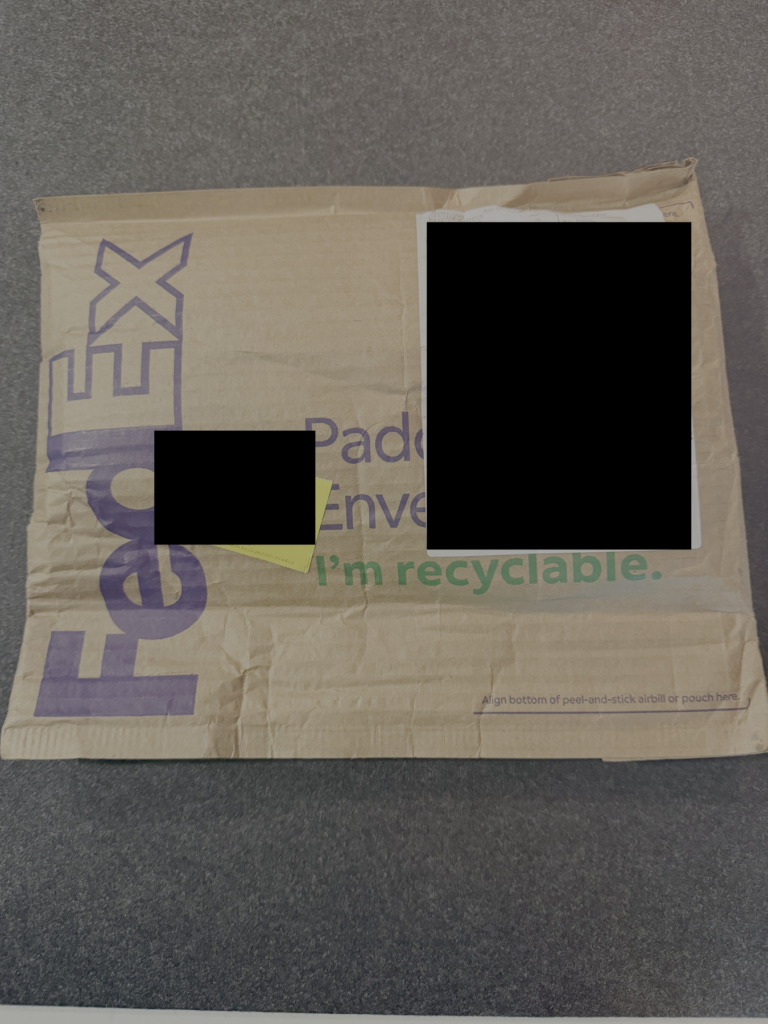
Every product we test is purchased anonymously on the open market, at full retail, the same way anyone else would buy it. Vendors do not know who we are. They do not know a sample is being collected. They do not get to choose which one.
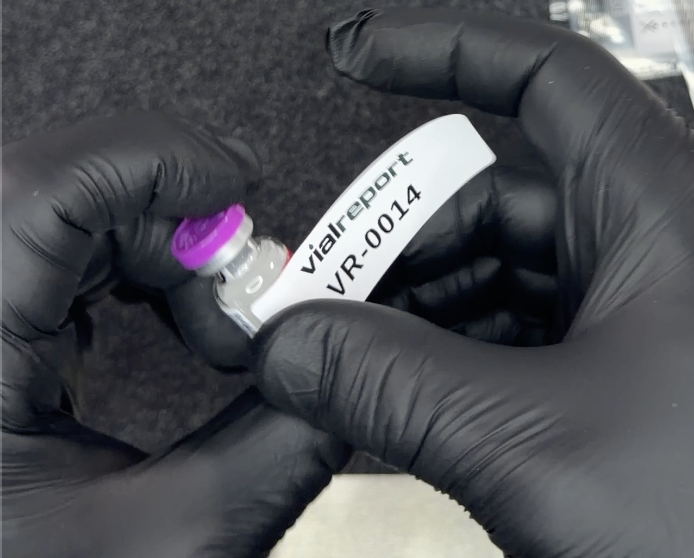
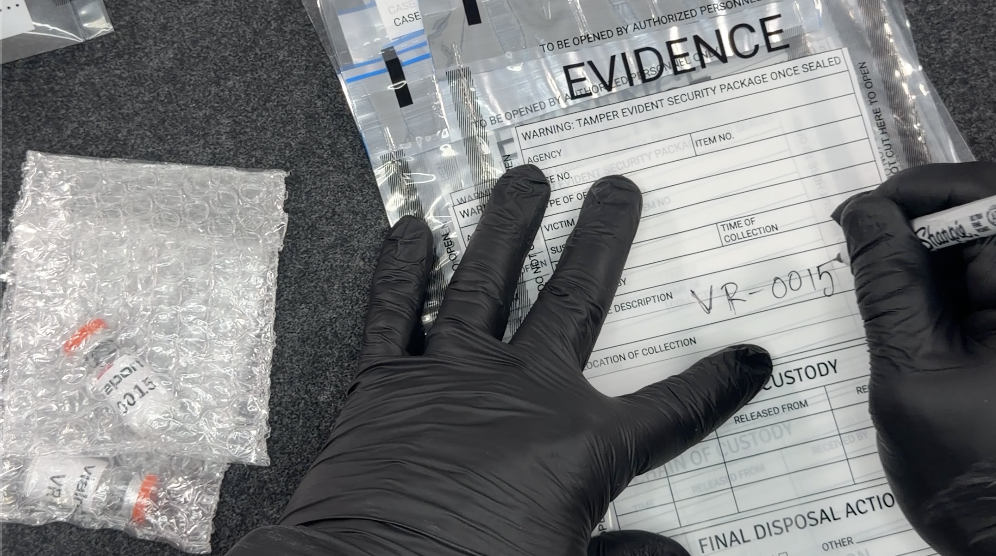
Each vial is documented and photographed on arrival, assigned a blind code, and sent to an independent accredited laboratory. The laboratory is not told which company the sample came from. Results are matched back to the vendor only after testing is complete.
We pay for every product. We pay for every test. We do not accept vendor funding, sponsorships, or affiliate revenue from any company we report on.
Because the moment I take money from a company I am testing, you should stop trusting me.
This is not the cheap way to do this and it is not the fast way. It is the only structure I could find where the results stand on their own.
The first fourteen
Fourteen vials. Six sellers. Three compounds. Bought anonymously, coded, and sent out to an accredited laboratory. Every one of those reports is live today.
Each one shows the grade, the measured content and purity, and how the vendor’s own certificate compared against what the laboratory actually found. Some of the certificates held up. Some of them did not. All of it is published either way, because a testing publication that only prints the flattering results is just a slower kind of advertising.
The verdict on every report is free. You do not have to pay me to find out whether a vial passed.
I am not asking anyone to trust me because I say the right things. Read what we published. Read how we got there. Decide for yourself.
Proof. Not Promises.